Luxury Home Elevators

Smart & Stylish: Why More Indian Villas Are Choosing Luxury Home Elevators

Today’s premium Indian homes focus on smart design and modern comfort, not just marble floors and chandeliers. That is why luxury home elevators have become a must-have feature in upscale villas and bungalows across the country. If you are trying to understand how to choose a home elevator or deciding which elevator would you choose for your project, this guide explains why demand is rising and why these lifts are becoming essential. It also highlights why are elevators important in modern multi-level living.

The Rise of Luxury Home Elevators in Modern Indian Villas

Luxury isn’t just about having more—it’s about living better. Indian homeowners are investing in residential elevators not only for accessibility but also for:

    • Enhancing resale value
    • Future-proofing for aging in place
    • Matching the premium aesthetic of the property

What was once a novelty is now an expectation in upscale residences.

Function Meets Fashion: How Luxury Home Elevators Enhance Interiors?

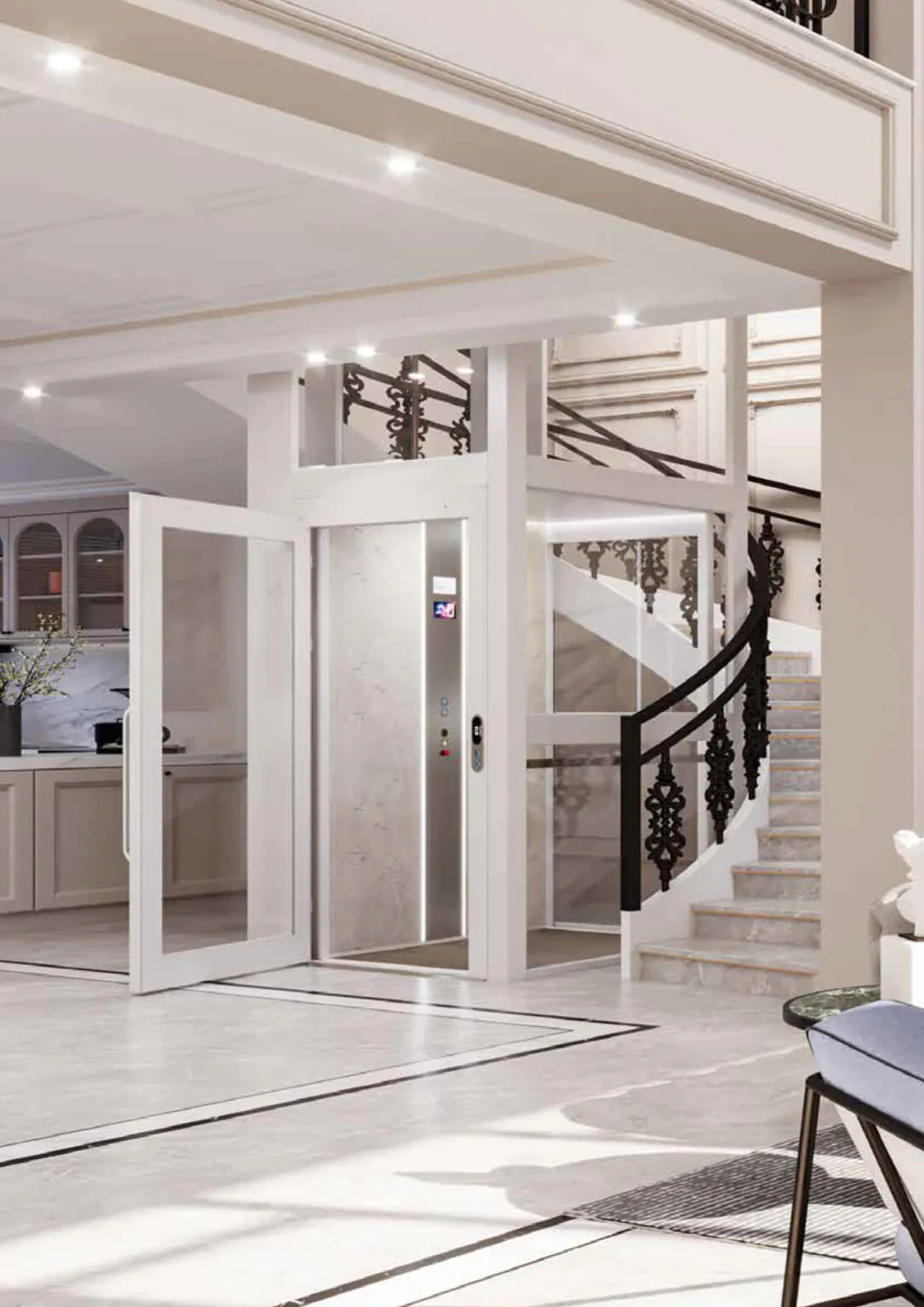
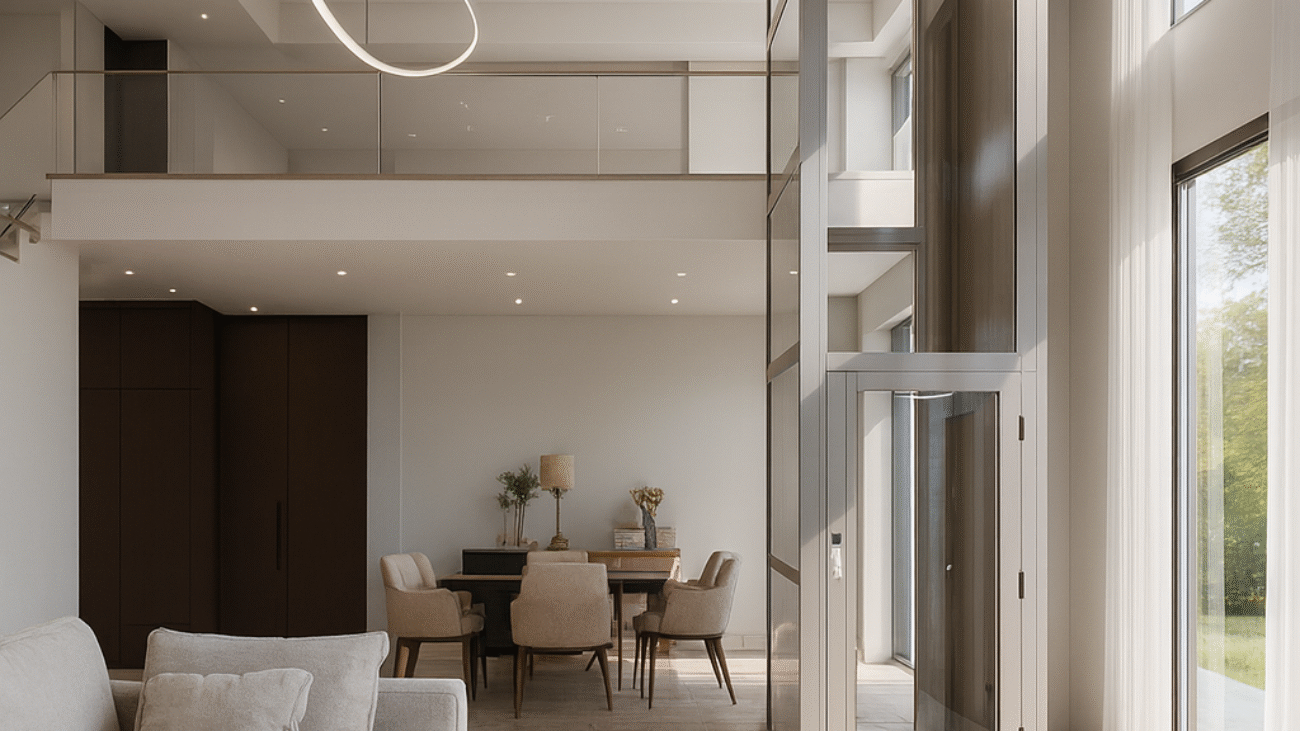
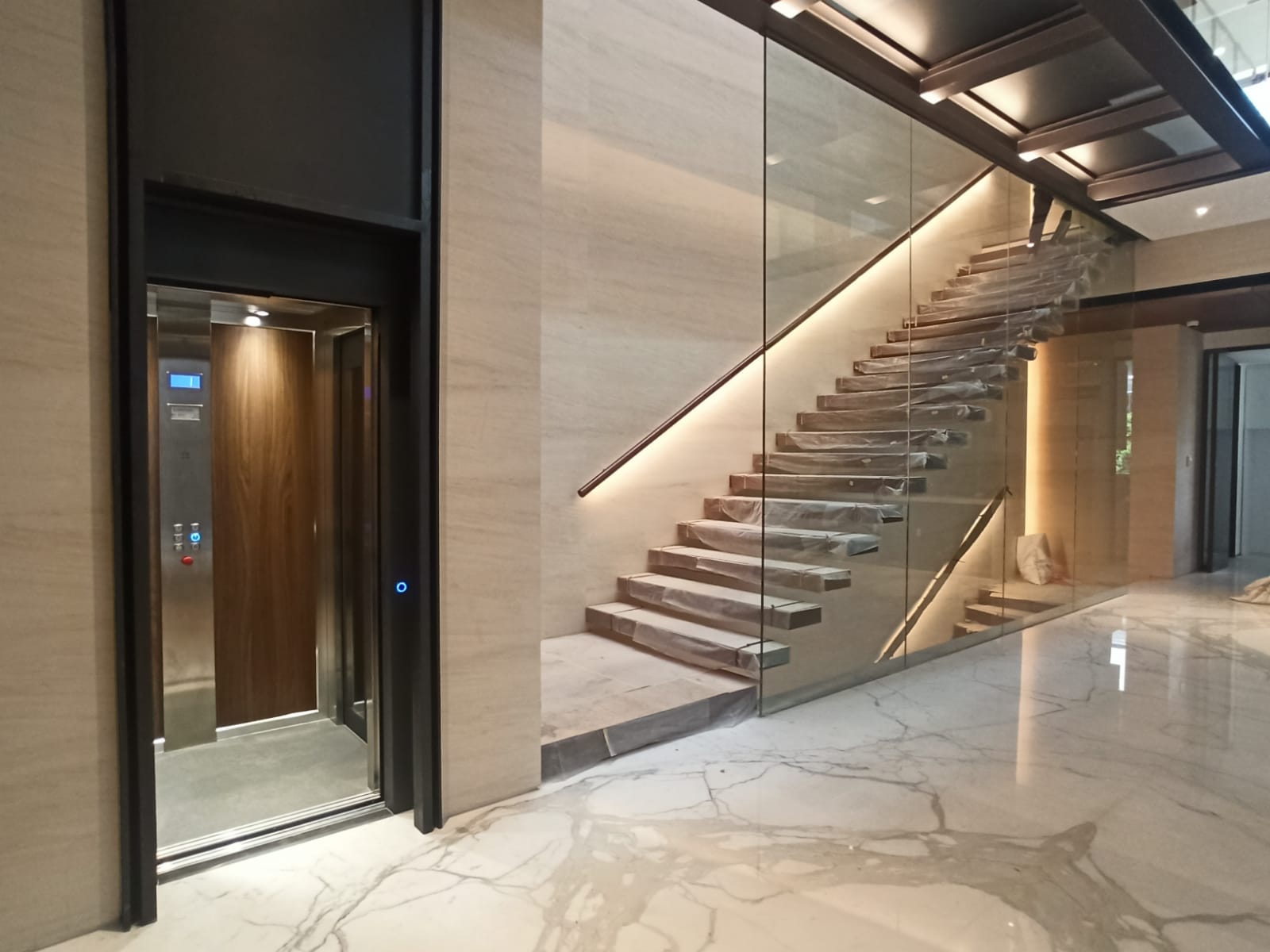
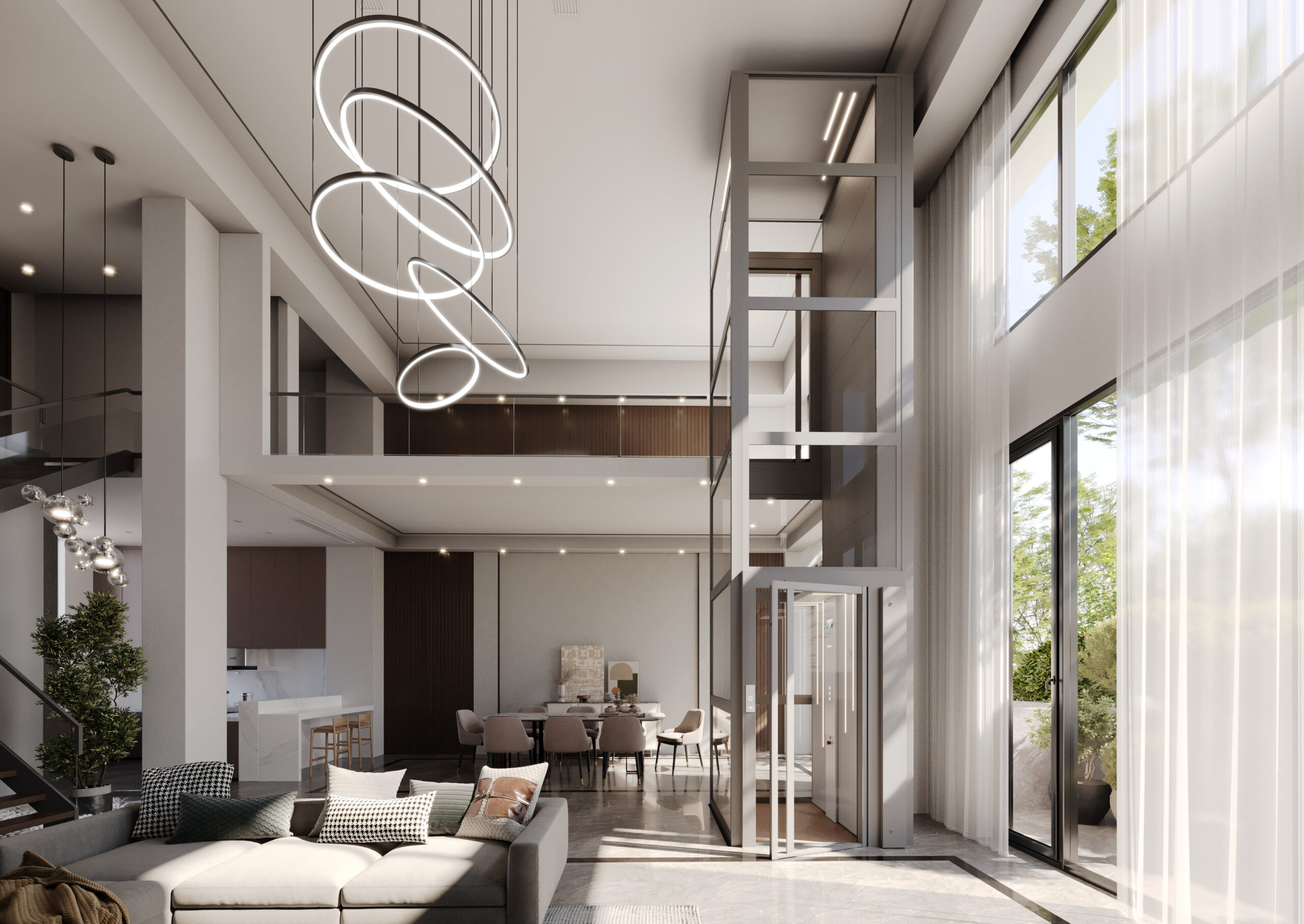
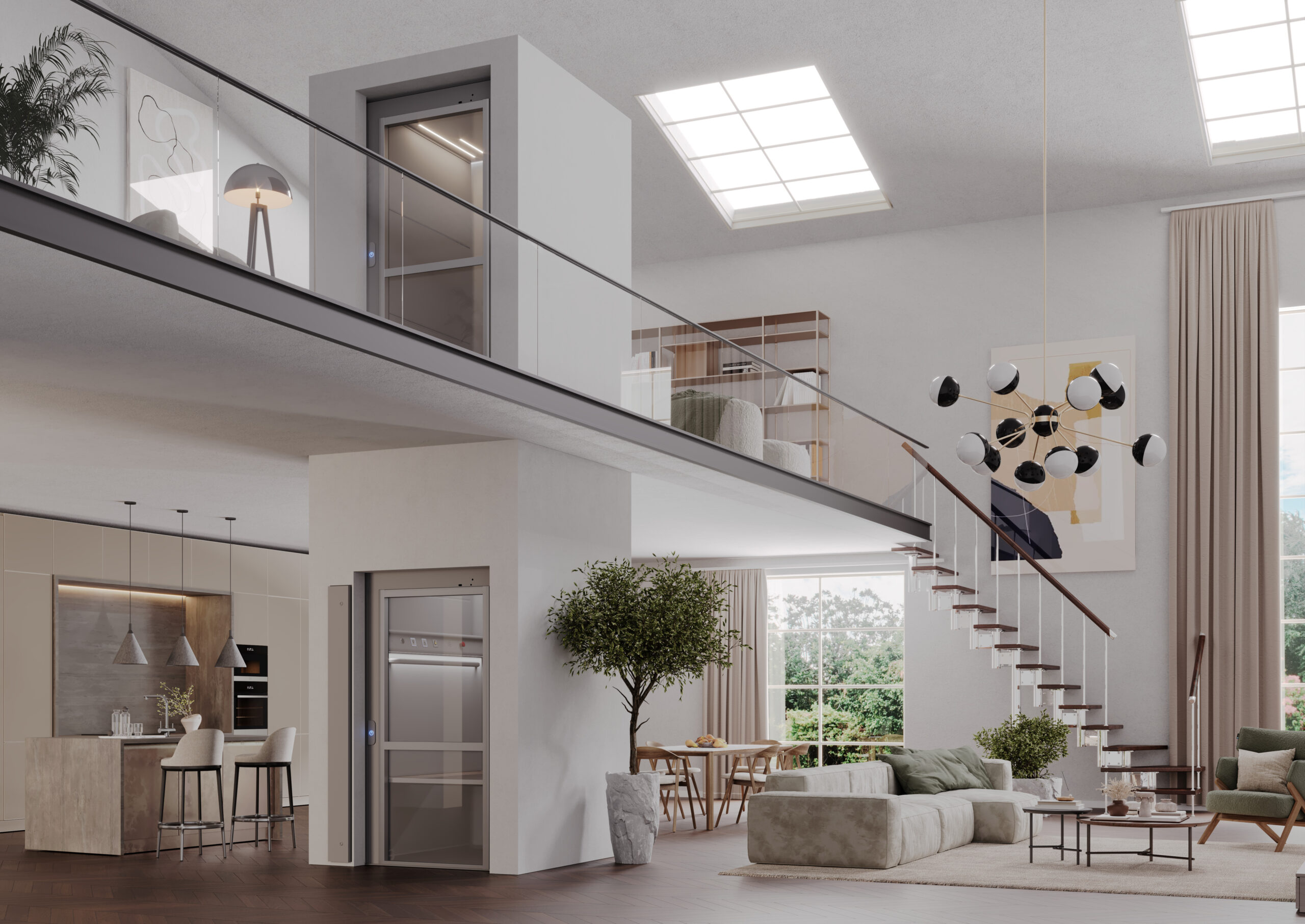
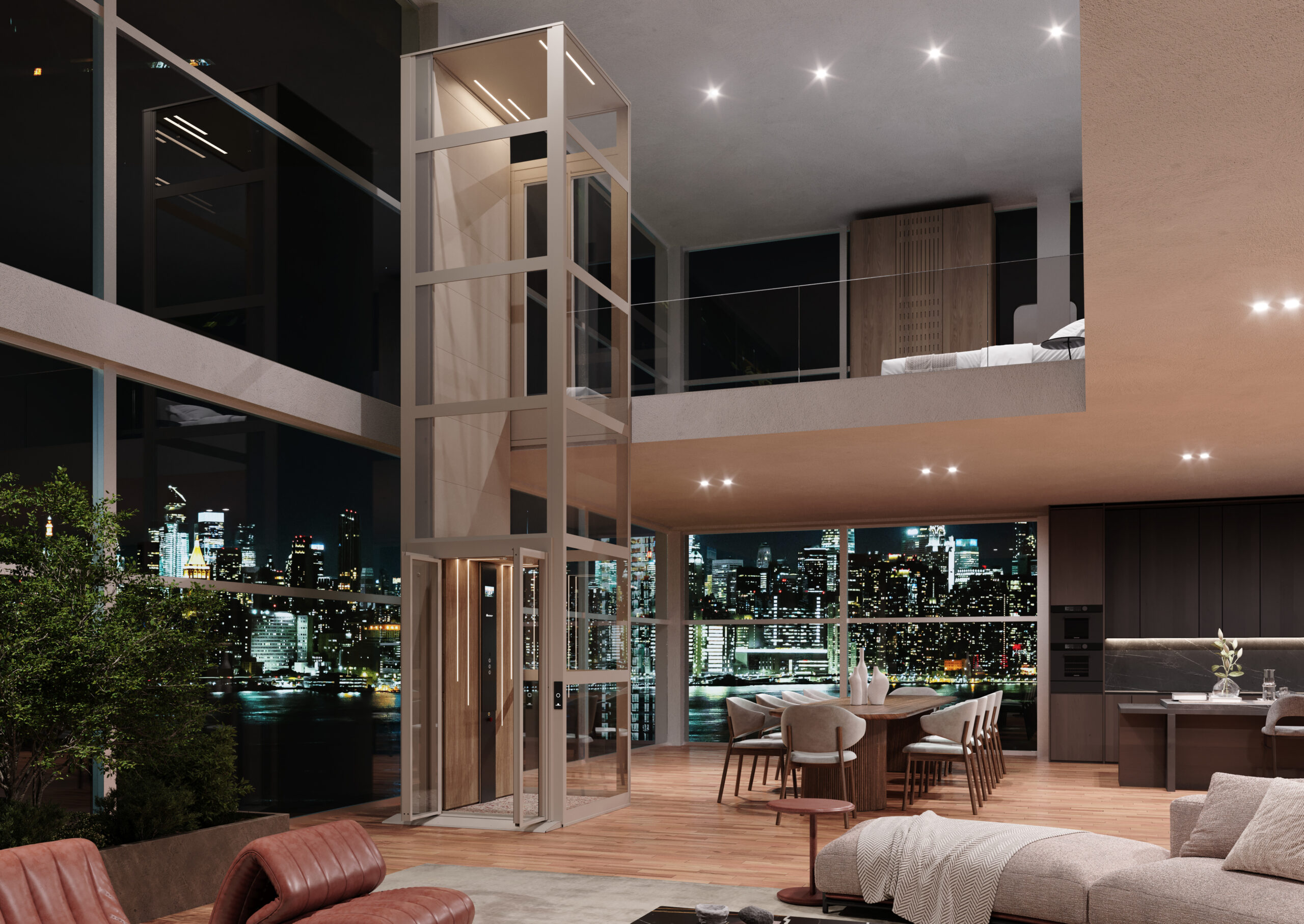
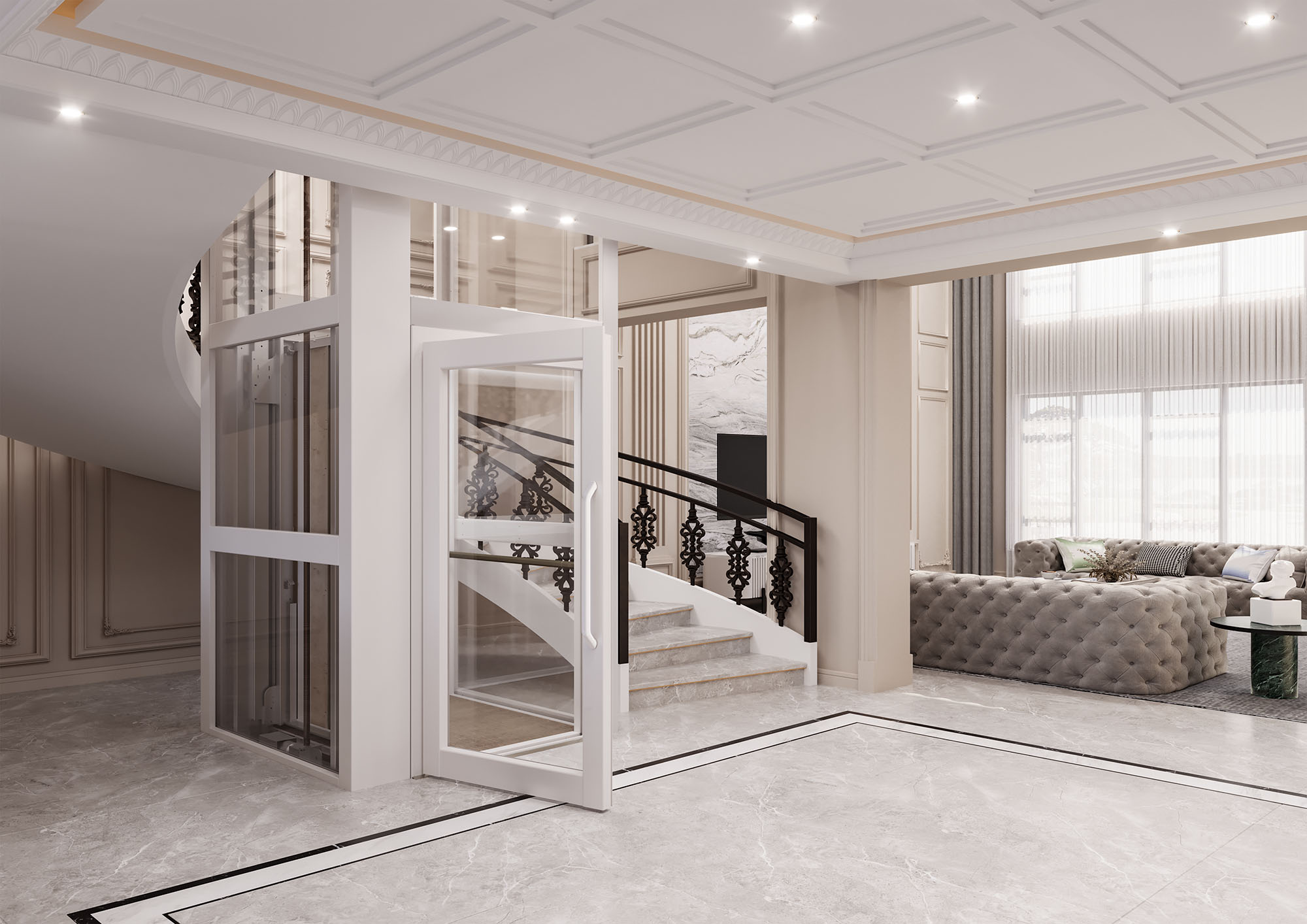
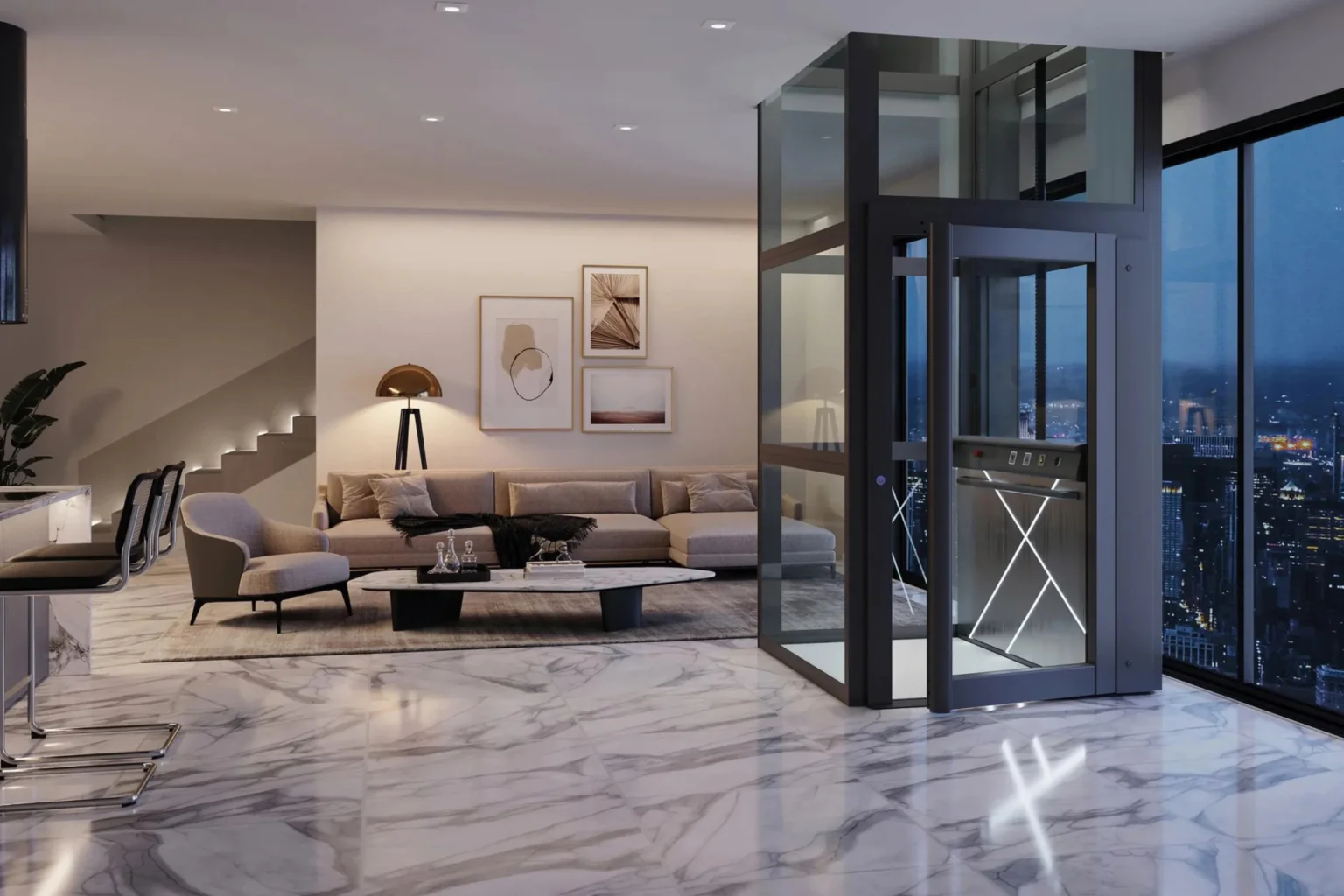
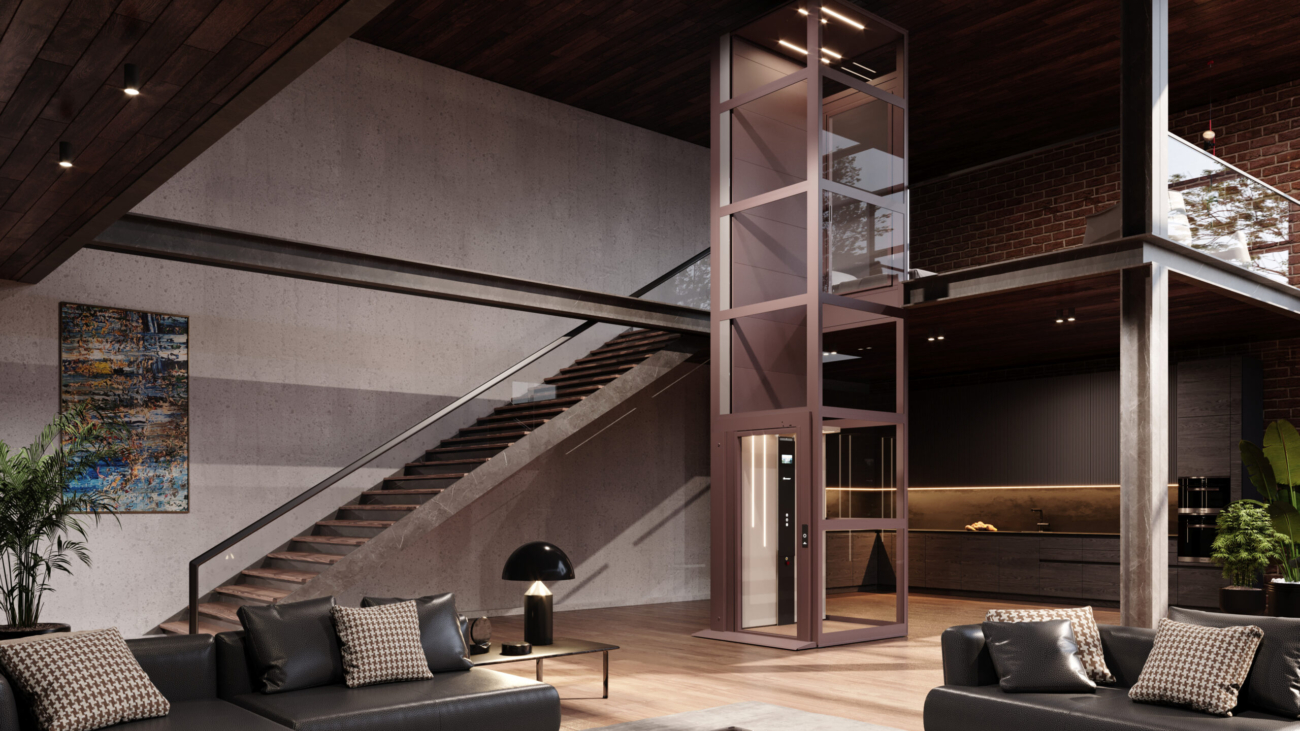
From glass shafts with ambient lighting to Italian-finish stainless steel cabins, today’s home lifts in India are as much a part of your interior as your staircase or chandelier.

Options include:

    • Frameless glass panels
    • Matte black or gold finishes
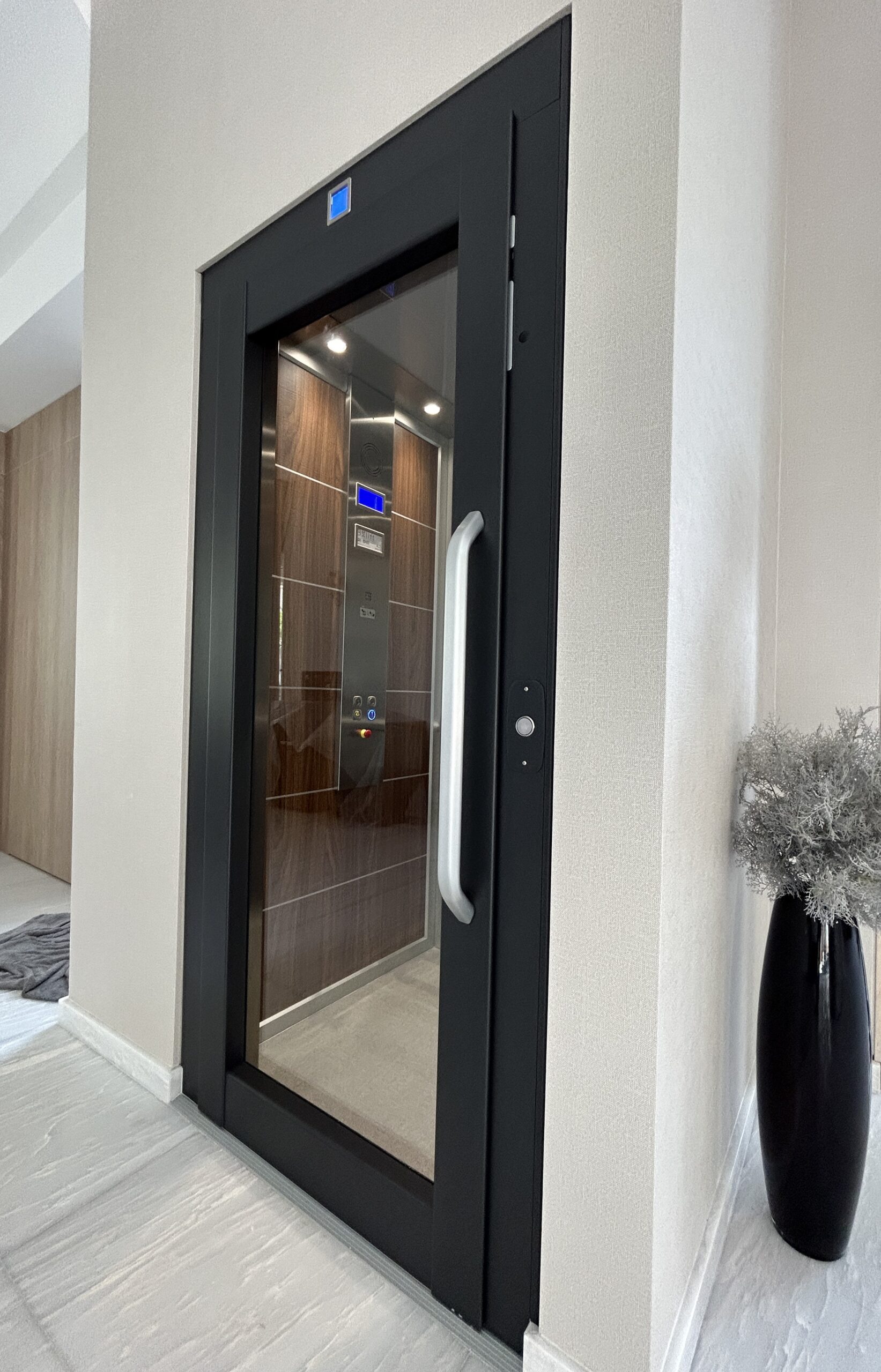
    • Wooden textures and leather-clad walls
    • Designer floors to match your marble or tile

Smart Features Homeowners Love

Luxury elevators don’t just look good—they’re intelligent too.

Popular features:

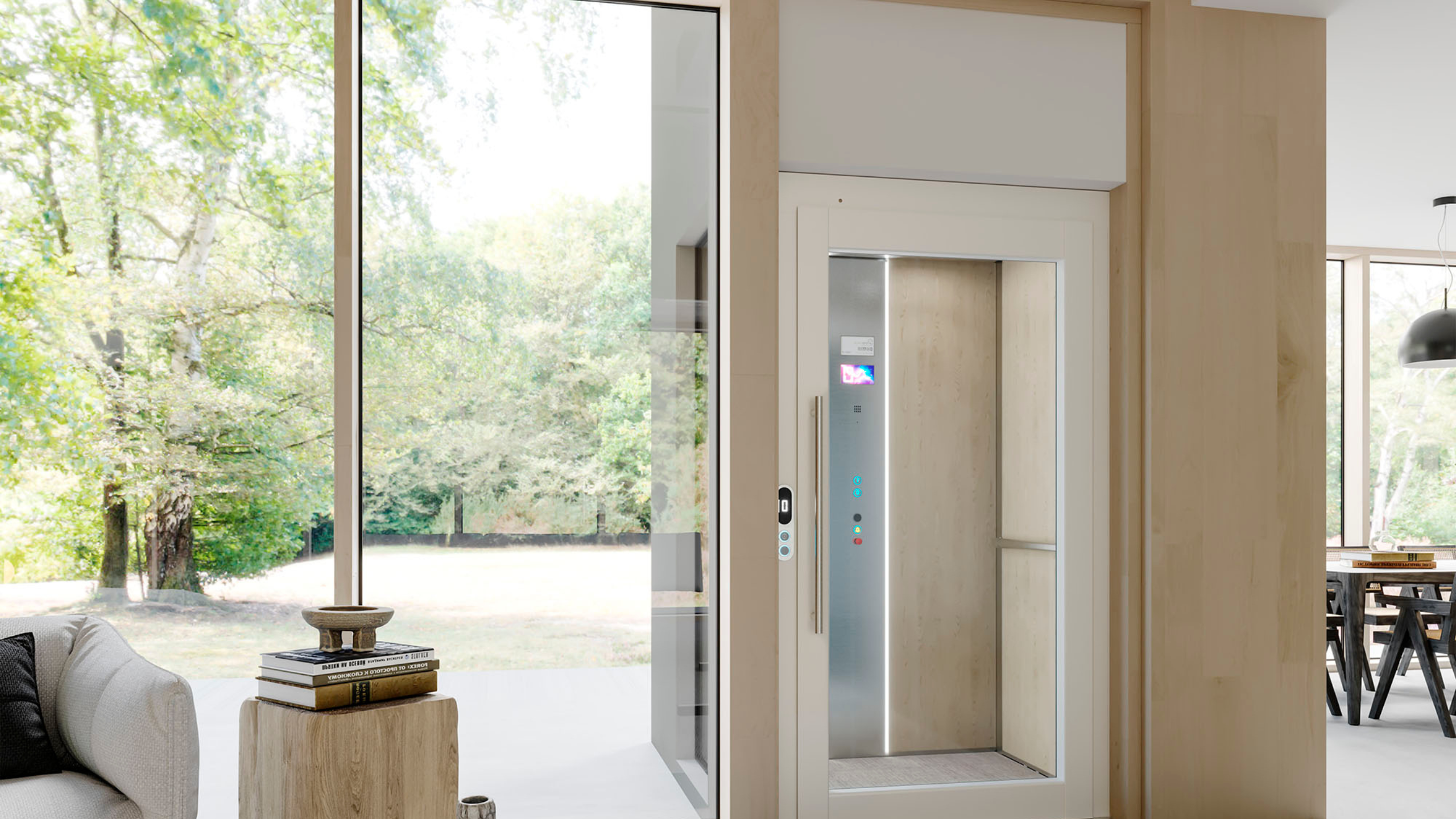
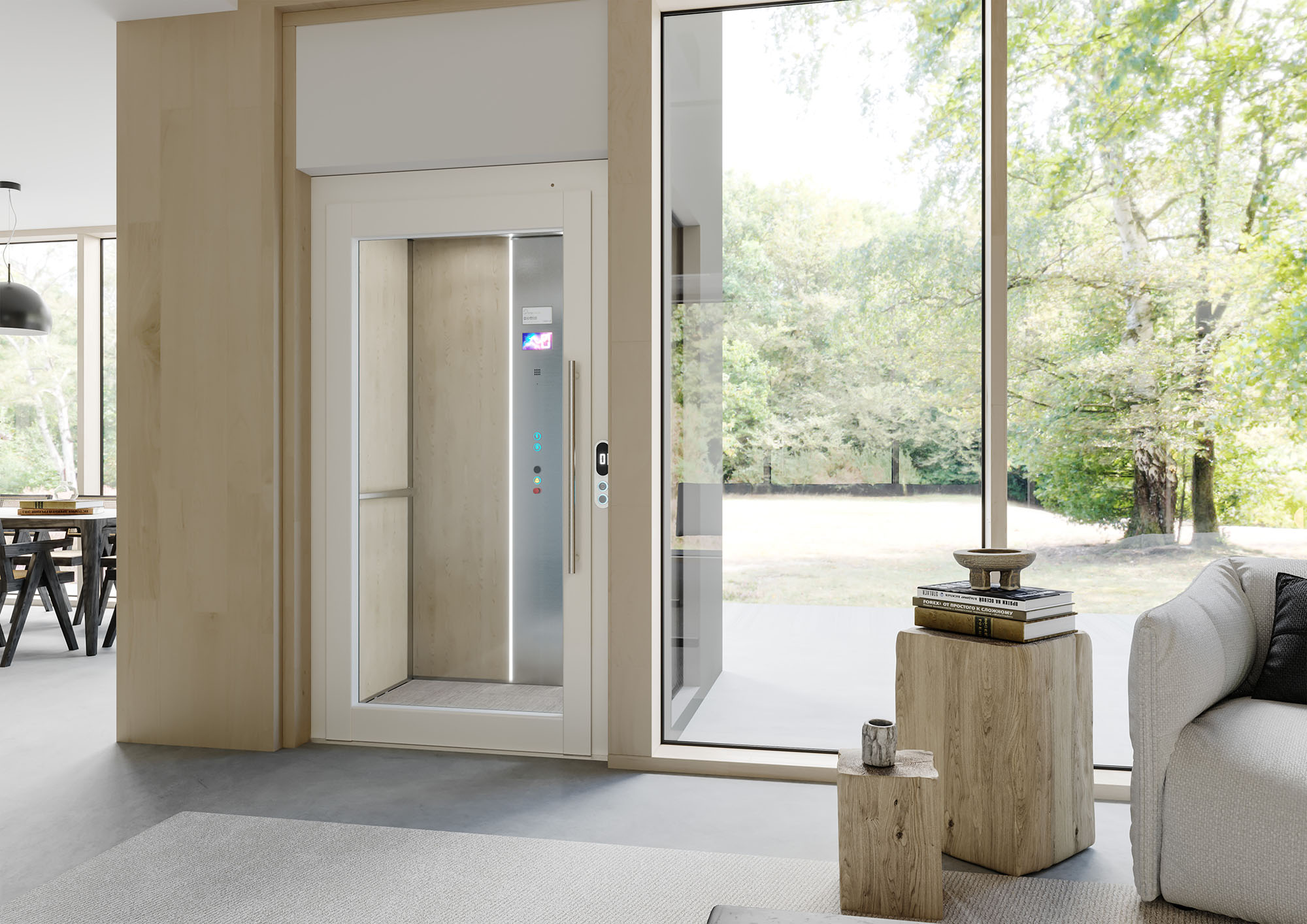
    • Touchscreen controls
    • Mobile app access
    • Voice-command integration
    • Biometric security
    • Soft start-stop motors for a smooth, silent ride

The future of home mobility is already here.

Space-Saving Luxury Home Elevators Without Compromising Style

Even the most beautifully designed villa has its constraints. That’s why many luxury home lifts come with:

    • No pit requirements
    • No machine room
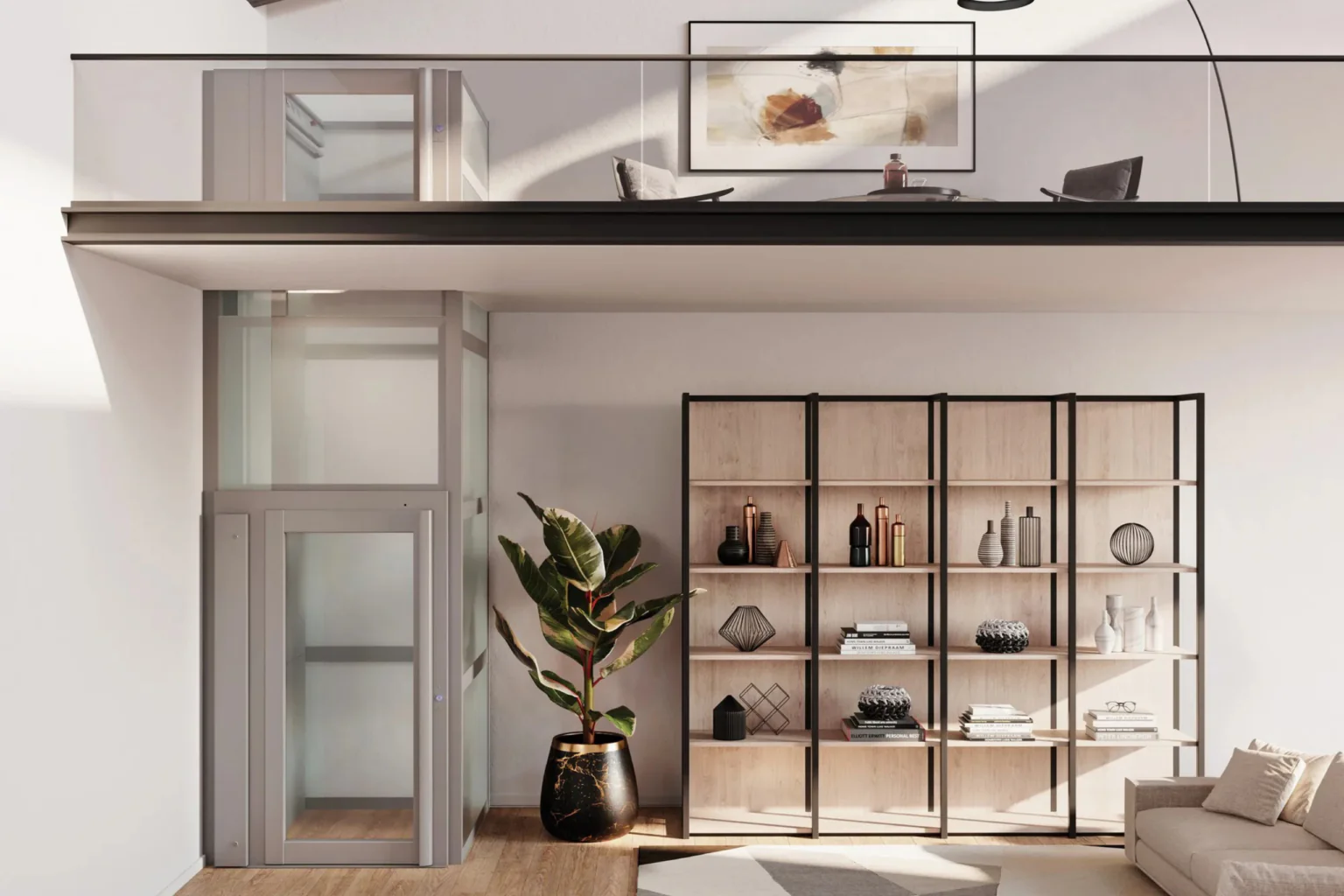
    • Self-standing shaft structures
    • Custom cabin sizes

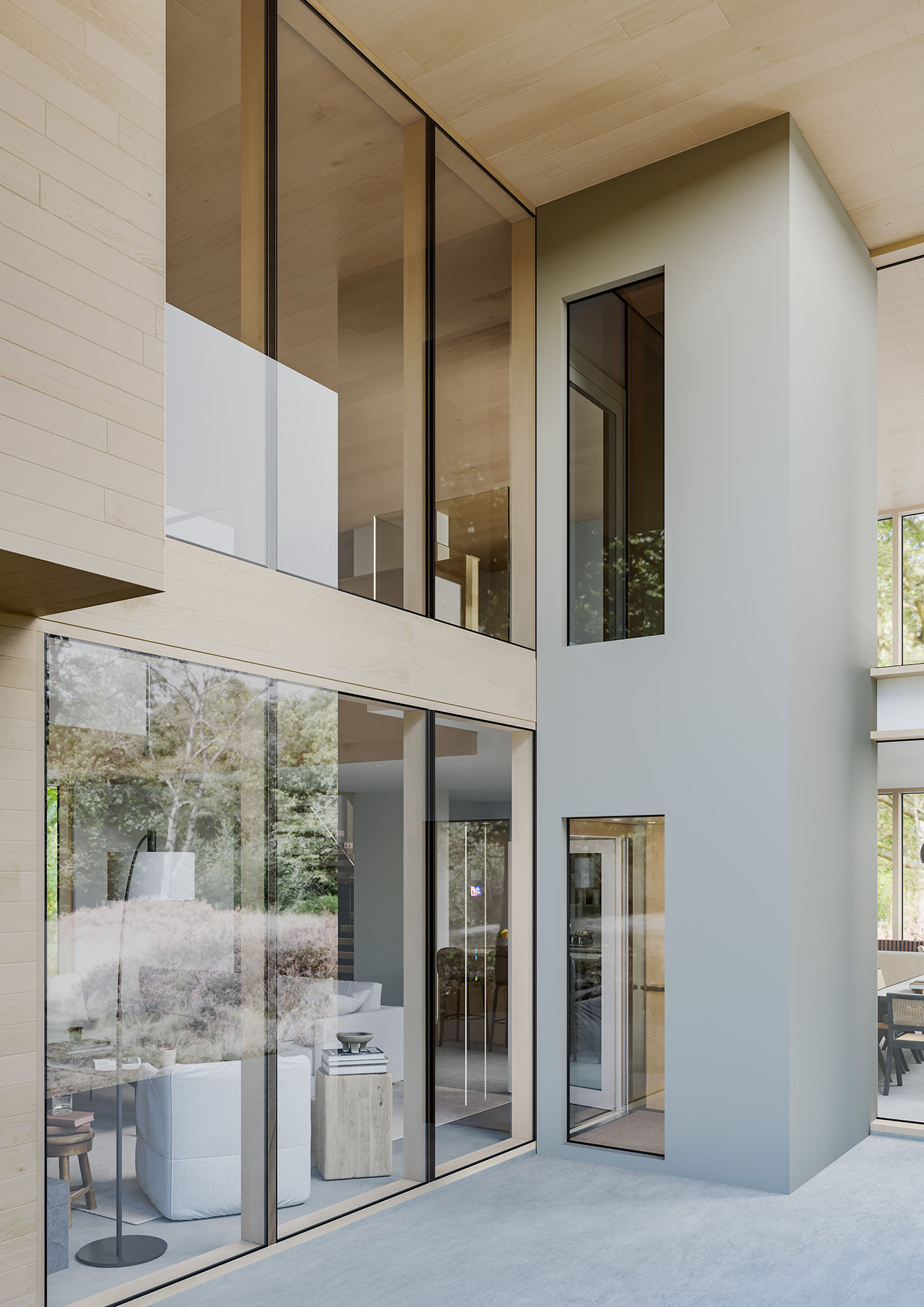
They blend into your layout—without disrupting it.

Cost vs. Value: Is It Worth It?

Luxury home elevators in India usually cost between ₹15 and ₹40+ lakhs. While the initial investment is significant, the upgrade in lifestyle and property value makes it worthwhile.

  • Adds sophistication to your home
  • Increases overall market appeal
  • Makes moving between floors effortless

Final Thoughts

A luxury home elevator is more than a lift. It becomes part of your home’s design, adds everyday convenience, and reflects modern living standards. Whether you are building a new villa or upgrading an existing one, choosing the right elevator is one of the smartest improvements you can make.

FAQ

Can I install a luxury elevator in an existing villa?

Yes. Many luxury lift models are designed for retrofit with minimal structural changes

Most premium models can be installed in 10–30 days depending on site readiness

Yes. Many use eco-friendly motors and smart energy-saving systems

Want a lift that’s smart, stylish, and perfectly suited for your lifestyle?

Talk to Kreativ Lift India—India’s trusted name in luxury residential elevators.

Elevator Maintenance

Home Elevator Maintenance in India: What to Expect & Budget For

Buying a home elevator is a long-term investment in comfort and accessibility. Just like a luxury car or an air conditioner, it needs regular care to keep running smoothly. If you’re trying to understand residential elevator maintenance in India and how much to budget for it, this guide gives you a clear breakdown. It also includes an elevator maintenance checklist so you know exactly what to expect and how to keep your lift in top condition.

Why Maintenance Matters?

Regular maintenance ensures your home lift:

    • Runs smoothly and safely
    • Has a longer operational life
    • Reduces chances of breakdowns
    • Complies with safety norms

Skipping service can lead to costly repairs—or worse, safety risks.

What’s Included in a Maintenance Plan?

A standard maintenance plan includes:

    • Cabin door and shaft lubrication
    • Brake and gear inspection
    • Control panel testing
    • Battery backup and emergency system check
    • Cleaning of dust and debris in moving parts
    • Safety sensor calibration

Common Maintenance Frequency & Types

Type of Service

Frequency

General Check-up

Every 3 months

Full Service

Every 6 months

Emergency Support

On call, 24/7

Premium brands (like Kreativ Lift India) offer scheduled AMC packages with reminders and tracking.

Annual Maintenance Contract (AMC): Costs in India

    • Basic Lift (2–3 stops): ₹15,000–₹20,000/year
    • Mid-Range Hydraulic: ₹25,000–₹30,000/year
    • Luxury Lifts or Smart Models: ₹35,000–₹50,000/year

      AMC Cost Range (2025):

  • Factors that affect AMC cost:
    • Lift type (hydraulic, traction, vacuum)
    • Number of floors
    • Spare parts coverage

Tips to Reduce Long-Term Maintenance Costs

    • Choose a reputed brand with good after-sales support
    • Install lifts with fewer mechanical parts (e.g. vacuum lifts)
    • Keep your AMC active—repairs outside it cost much more
    • Don’t skip scheduled services

Regular service = lower lifetime cost + peace of mind

Final Thoughts

Think of your home elevator like a premium appliance—it works best when it’s maintained regularly. A small annual investment in an AMC can save you thousands in future repairs and keep your family safe.

FAQ

Can I do lift maintenance myself?

No. Only certified technicians should service elevators. DIY can void your warranty or cause damage.

Missing maintenance can increase wear and tear, raise breakdown risks, and possibly affect your AMC validity.

Not legally—but strongly recommended. It’s your best protection against major repair costs and downtime.

Need expert service?

Trust Kreativ Lift India for reliable, on-time elevator maintenance across India.

Modern Residential Elevators

Safety Features in Modern Residential Elevators You Must Know About

If you’re planning to install a home elevator, safety is probably one of your biggest concerns, especially if you have children, elderly family members, or anyone with mobility needs at home. The good news is that modern residential elevators come with intelligent protection systems that keep every ride smooth and secure. This guide also highlights essential elevator safety tips and practical elevator safety guidelines so you can choose and use your lift with complete peace of mind.

Why Elevator Safety Matters at Home

Unlike commercial buildings, your home is a personal, private space. A home lift must be:

    • Safe for children and pets
    • Easy to use for seniors
    • Equipped for power failure or emergency stop scenarios

You need more than comfort—you need peace of mind.

Modern Residential Elevators Safety Standards in India

Automatic Door Locking System
Prevents doors from opening mid-floor.

Overload Sensor
Stops the lift if the weight exceeds the capacity.

Emergency Alarm & Intercom
Enables users to communicate during power failures or emergencies.

Non-slip Flooring
Textured or anti-slip cabin floors prevent accidents.

Soft Start & Stop
Reduces jerks, especially important for elderly or disabled passengers

Emergency Safety Features Fo Modern Residential Elevators

Battery Backup System
Moves the lift safely to the nearest floor during power outages.

Manual Emergency Lowering
Allows manual operation during technical failure.

Automatic Rescue Device (ARD)
Ensures the cabin returns to the landing floor automatically during a power cut.

Door Sensors
Prevent the doors from closing on a person or object.

Lift Safety Standards in India

When buying a residential elevator, make sure it complies with:

    • EN 81-41 (European Safety Norm for platform lifts)
    • ISO 9001:2015 certified manufacturing
    • BIS (Bureau of Indian Standards) if applicable

Always request a safety certificate and test report from your vendor.

Choosing a Modern Residential Elevators Brand

Pick a brand that:

    • Has proven installations across India
    • Offers 24/7 service support
    • Provides annual maintenance contracts (AMCs)
    • Offers a demo or showroom experience

At Kreativ Lift India, we prioritize your family’s safety with every lift we install.

Final Thoughts

When it comes to home elevators, safety isn’t optional—it’s essential. With smart engineering, emergency systems, and international compliance, today’s residential lifts make mobility safe, easy, and worry-free.

FAQ

Are home elevators safe for kids?

Yes, with features like door sensors, speed control, and auto-locking, modern lifts are safe for children under supervision.

Emergency alarms, intercoms, and rescue devices ensure a fast and safe resolution.

Every 3–6 months is recommended, depending on usage.

Ready to install a home lift you can trust?

Talk to Kreativ Lift India for certified, secure, and stylish elevator solutions tailored for your home.

Install a Lift Without a Pit or Machine Room

Can You Install a Lift Without a Pit or Machine Room?

Think installing a home elevator means digging a pit or building a machine room? Not anymore. Modern elevator technology makes it possible to enjoy smooth vertical mobility without major structural work. This guide explains how residential lifts have evolved and answers common questions such as can a lift be fixed without lift pit, how deep is a lift pit in India, and the minimum width of lift pit needed if you choose a model that requires one. It helps you understand the options clearly so you can plan your home project with confidence.

What is a Pitless Elevator?

A pitless elevator is a home lift that requires little to no digging below ground level. Traditional lifts usually need a 3–4 ft deep pit to allow space for buffers and the bottom mechanism. Pitless lifts use:

    • Hydraulic systems with telescopic pistons
    • Self-contained shafts
    • Built-in safety tech that eliminates the need for deep pits

Most models require only 50–100 mm depth, or none at all.

Machine Room-less (MRL) Lifts Explained

A Machine Room-less elevator places the machinery:

    • Inside the shaft itself (above or behind the cabin)
    • Or integrated into the lift structure

This eliminates the need for a separate room above or beside the lift. It’s perfect for space-constrained homes or stylish open-plan interiors.

Install a Lift Without a Pit or Machine Room and Enjoy These Benefits

Minimal Civil Work
No heavy foundation or ceiling demolition required.

Fast Installation
Most pitless/MRL lifts are installed in 10–15 days.

Saves Valuable Space
Ideal for villas, duplexes, and small plots.

Easy Retrofit
Great for existing homes or heritage buildings where structural changes are difficult.

Stylish Design
Modern models feature glass enclosures, LED lighting, and compact footprint.

Ideal Homes to Install a Lift Without a Pit or Machine Room

    • Urban villas with limited backyard or indoor space
    • Duplex apartments with no shaft provision
    • Existing homes being retrofitted for senior accessibility
    • Bungalows under renovation for luxury upgrades

Even homes built 10–20 years ago can accommodate these compact elevators

What to Know Before You Install a Lift Without a Pit or Machine Room

Pitless and MRL elevators generally cost ₹7–₹15 lakhs, depending on:

    • Number of floors
    • Type of drive (vacuum, hydraulic, screw-drive)
    • Cabin size and finish

Maintenance is similar to regular lifts, and power consumption is low.

Final Thoughts

You don’t need extra space or heavy construction to add comfort and style to your home. Pitless and machine room-less home elevators are the future—compact, elegant, and efficient

FAQ

Is a pitless elevator safe?

Yes. These elevators are equipped with certified safety features and braking systems.

Absolutely. It’s one of the best options for duplex or penthouse apartments.

No. They are whisper-quiet and designed for home use, with vibration reduction.

Talk to Kreativ Lift India

Explore Kreativ Lift India’s range of space-saving elevators that need no pit, no machine room, and no hassle.

Do Home Elevators Work During Power Cuts?

Do Home Elevators Work During Power Cuts?

Think you don’t have enough space for a home lift? Think again. Modern residential elevators are designed to fit into compact areas, even in homes with limited square footage. This guide also answers common safety questions like do elevators have backup power and explains elevator emergency power requirements so you can plan confidently and choose the right setup for your home.

Do Home Elevators Work During Power Cuts?

Yes, standard home lifts will stop if there’s no power—unless they are equipped with a battery backup or UPS (uninterruptible power supply) system. Without backup, the lift will halt mid-floor and require manual rescue

Battery Backup Systems Explained

Most premium home elevators in India come with integrated Emergency Battery Backup Systems, which:

    • Bring the cabin safely to the nearest floor
    • Open the doors automatically
    • Keep interior lights and alarms running

These are essential for senior citizens and families with kids.

Types of Power Backup for Elevators

You can choose from:

  • 🔋 In-built battery backup: Powers basic functions for 15–20 minutes
  • External UPS: Supports full operation of the lift for a few trips
  • 🔌 Inverter with Lift Compatibility: Powers lift + lights + fans during outages
  • ⚙️ Diesel Generators: Best for bungalows and villas with frequent cuts

Choose a backup solution based on your area’s power reliability.

What to Do If Your Lift Doesn’t Have Backup

If your home lift doesn’t come with built-in backup:

    • Ask your installer to retrofit a UPS system
    • Avoid using the lift during unstable weather or load shedding
    • Use manual override functions (if available)

Safety should never be compromised—plan power backups during installation.

. Power Consumption of Home Lifts

Good news—home elevators use less power than you think.

Lift Type

Average Power (KW)

Hydraulic

2.2 – 3.7 KW

Vacuum

1.5 – 2.2 KW

Traction (MRL)

1.1 – 2.2 KW

A basic residential lift uses as much electricity as a microwave oven or AC during operation—and none when idle.

Final Thoughts

Power cuts shouldn’t cut off your comfort. With the right backup system, your home elevator can function safely and reliably—even during blackouts.

FAQ

Explore Kreativ Lift India’s range of lifts with integrated power backup and smart safety features—built for Indian homes and Indian conditions.

If you have a battery backup system, the lift will move to the nearest floor and open the doors. If not, you’ll need external assistance.

Not always. You should request it specifically or choose models that offer it as a standard feature.

Not always. You should request it specifically or choose models that offer it as a standard feature.

Ready to make a statement?

Explore Kreativ Lift India’s range of lifts with integrated power backup and smart safety features—built for Indian homes and Indian conditions.

Space Do You Need for a Home Lift

How Much Space Do You Need for a Home Lift? A Simple Guide

Think you don’t have enough space for a home lift? Think again. Modern residential elevators are designed to fit into compact areas, even in homes with very limited square footage. This guide explains the space required for lift installation, breaks down standard lift sizes dimensions, and helps you understand residential elevator dimensions so you can plan with confidence

Minimum Space Do You Need for a Home Lift

Thanks to technology, you can now install a home elevator in as little as:

    • 1000 mm x 1000 mm (3.3 ft x 3.3 ft)
    • Cabin size: 700 mm x 800 mm
    • Serving 2–4 floors comfortably

The exact dimensions depend on the drive type—hydraulic, traction, or vacuum.

Lift Shaft or No Shaft?

Not all elevators need a brick shaft. You have two options:

    • With Shaft: Built during or after construction, usually larger
    • Shaftless Models: Self-supporting structures ideal for retrofits or villas with limited space

Self-standing elevators come with their own enclosure and don’t need additional civil work.

What About the Pit and Machine Room?

No Pit? No Problem.
Some home lifts require a pit as shallow as 100 mm. Others (like vacuum or gearless lifts) need none at all.

No Machine Room Required
Most modern home lifts are MRL (Machine Room-Less), saving floor area and making installation faster

How to Plan the Space Do You Need for a Home Lift in a Small House

Most modern home elevators are designed to fit into compact areas, so the Space Do You Need for a Home Lift is often less than people expect. Many lifts require only about 1 square meter and can be installed without a pit or machine room. This makes it easy to place them in stair voids, corners, or even outside balconies while keeping the original layout of the house almost unchanged.

Space Do You Need for for Small Homes

Worried about where it’ll go? Here are creative placement solutions:

    • Inside the stairwell void
    • Attached to an external wall
    • Next to the living room or dining area
    • In unused corners of the house

Pro tip: Glass shaft lifts add style without visually cluttering your interiors.

Civil Work: What to Expect

Installing a lift may involve:

    • Mild structural adjustments
    • Power supply provisions
    • Shaft cutting (if needed)

Partner with a lift brand that provides turnkey installation—lift + civil + electrical included.


Final Thoughts

Don’t let space stop you from living comfortably. With compact designs and no-pit, no-machine-room options, today’s home lifts are built to fit your home—not the other way around.

FAQ

What is the smallest size of home lift available in India?

Some models start at just 1000 mm x 1000 mm, ideal for 1–2 passengers.

Yes. Shaftless models can be placed externally or in open spaces with minimal disruption

Absolutely. Many models are designed for apartments with tight space and floor limitations.

Talk to Kreativ Lift India

Explore compact, customizable elevator solutions designed for Indian homes.

icon lift

Luxury Home Elevators in India: Where Design Meets Convenience

Imagine stepping into your personal lift finished in Italian glass, softly lit with ambient lighting, and moving with whisper-quiet smoothness. This is not a hotel or a luxury condo. This is your home. Luxury home elevators are no longer a distant dream for Indian homeowners. They are now a modern essential for anyone who values comfort, style, and convenience. Whether you are planning luxury house plans with elevators or exploring luxury residential elevators from leading luxury elevators brands, the right luxury lift elevator can bring a new level of elegance to your space.

What is a Luxury Home Elevator?

A luxury home elevator is not just a means of transport—it’s a statement piece. It combines cutting-edge technology with premium materials like:

    • Glass doors
    • Stainless steel or gold finishes
    • Smart touch controls
    • Ambient lighting and custom flooring

These elevators are designed to blend with—or enhance—your interior

Why Are Indian Homeowners Choosing Luxury Lifts?

More Indian villa owners and luxury flat buyers are opting for elevators that:

    • Complement modern architectural aesthetics
    • Offer seamless mobility for seniors or guests
    • Increase property value
    • Reflect personal taste and lifestyle

Whether it’s a minimalist glass shaft or a grand art-deco finish, there’s a design for every personality.

Customization Options You’ll Love

Luxury doesn’t mean one-size-fits-all. Options include:

    • Mirror-polished interiors
    • Custom LED lighting and ceiling panels
    • Touch-screen controls
    • Designer handrails and flooring
    • Voice-command and app-based operation

Some elevators even integrate with smart home systems like Alexa or Google Home.

Do Luxury Elevators Require More Space?

Not always. Many high-end models are machine-room-less and pitless, meaning:

    • They fit into tight spaces (even 1 meter wide)
    • They can be retrofitted in existing homes
    • No major civil changes are needed

Form truly meets function with these elevators.

Price Range in India (2025)

Luxury home lifts in India typically start from ₹15 lakhs and can go up to ₹40+ lakhs, depending on:

    • Brand & drive system (hydraulic, traction, vacuum)
    • Cabin finish and accessories
    • Number of floors

Level of automation

Final Thoughts

A luxury home elevator does more than move you between floors. It elevates the entire living experience. Whether you are building a new home or upgrading an existing one, choosing a well-designed lift adds both practicality and a sense of prestige.

FAQ

Can I install a luxury elevator in my existing bungalow?

Yes. Many luxury models are designed for retrofit installations with minimal structural work.

Yes. Most use advanced tech that consumes as much power as a small appliance.

Not at all. Luxury elevators combine high-end aesthetics with top-grade safety features.

Ready to make a statement?

Explore bespoke elevator options at Kreativ Lift India, where design meets engineering excellence.

Hydraulic vs Traction vs Vacuum

Hydraulic vs Traction vs Vacuum: Which Home Elevator is Best for You?

Planning to install a home elevator but feeling lost in technical terms like hydraulic, traction, and vacuum lifts? Many homeowners feel the same. Choosing the right residential elevator means understanding the types of elevator systems available and balancing space, comfort, design, and budget. This guide explains the top 3 types of elevation options commonly used in India and helps you understand the difference between lift and elevator in a practical way. It also breaks down traction vs hydraulic elevator comparisons so you can easily decide which system suits your home best. If you have been searching for hydraulic lift vs traction lift insights, this guide makes everything simple.

Hydraulic vs Traction vs Vacuum: Overview of Lift Types

There are 3 major types of home elevators in India:

Type

Drive System

Ideal For

Hydraulic

Oil + Piston

Villas, small shafts

Traction

Steel ropes

High-rise homes, apartments

Vacuum

Air pressure

Bungalows, retrofits

Each comes with its own strengths. Let’s break them down.

Hydraulic vs Traction vs Vacuum: Which Home Elevator is Best for You?

Hydraulic Elevators

How it works: Uses a hydraulic piston and fluid to raise/lower the cabin.

Pros:
    • No overhead machinery
    • Compact and silent
    • Ideal for 2–3 floors
Cons:
    • Slightly higher energy use
    • Oil maintenance required

Best for: Homes with moderate usage and limited space

Traction Elevators

How it works: Uses ropes and counterweights to move the lift cabin.

Pros:

    • Energy efficient
    • Smooth ride quality
    • Suitable for more than 4 floors

Cons:

    • Requires machine room or overhead clearance
    • Installation can be complex

Best for: Multi-level villas or new construction homes

Recent blog

Vacuum Elevators

How it works: Uses air pressure in a cylindrical shaft to lift or lower the cabin.

Pros:

    • No pit or machine room
    • Sleek, modern design
    • Quick installation

Cons:

    • Limited capacity (1–2 persons)
    • Higher upfront cost

Best for: Luxury villas, retrofits, and futuristic design lovers.

Which One Should You Choose?

Here’s a quick decision guide:

  • For compact homes → Go for vacuum or hydraulic lifts
  • For high floors → Choose traction elevators
  • For luxury and minimal civil workVacuum is unmatched
  • For affordability + simplicityHydraulic is a reliable classic

Final Thoughts

Your home elevator should match your lifestyle and your home’s personality. Whether you prefer a sleek vacuum model, a reliable hydraulic system, or an efficient traction lift, Kreativ Lift India offers solutions for every budget and space requirement.

FAQ

Which lift type is easiest to maintain?

Hydraulic lifts are simple and cost-effective to maintain.

No. Modern vacuum lifts are designed for near-silent operation.

Yes, but it needs more structural readiness and machine space.

Still confused?

Book a free consultation with our experts today.

Top 5 Things to Know Before Installing a Home Lift in an Existing House

Top 5 Things to Know Before Installing a Home Lift in an Existing House

Already living in your dream home and now thinking about adding a home lift? You don’t need to rebuild or relocate to make it happen. Before you start comparing options or asking for an elevator installation quotation, there are a few important things to understand. This elevator installation guide covers the top must-knows before installing a residential elevator in an existing home in India, including space planning, structural needs, and elevator installation cost.

Can You Installing a Home Lift in an Existing House?

Yes, you can. Many models are designed specifically for retrofitting, so the answer to can I install an elevator in my house is almost always yes. You don’t need a large shaft or heavy demolition. Compact systems like hydraulic and vacuum lifts fit easily into existing spaces. fuss.

Space Requirements

Modern designs do not always require a dedicated shaft. Some lifts can be installed in as little as 1 square meter. Corners, stairwell gaps, and balconies are commonly used. This simple elevator installation checklist helps you understand what is needed before you begin.

Pitless & Machine Room-less Options

  • Worried about digging a pit or allocating space for a machine room? Choose lifts that offer:

    • Zero pit or shallow pit (50–100mm)
    • No machine room required
    • Plug-and-play installation

    Such lifts reduce civil work and save space—perfect for villas and duplexes.

Structural Modifications & Civil Work

While installation is straightforward, some civil work may be needed:

  • Reinforcement of floor structure
  • Power supply adjustments
  • Shaft construction (in some cases)

Challenges and Solutions When Installing a Home Lift in an Existing House

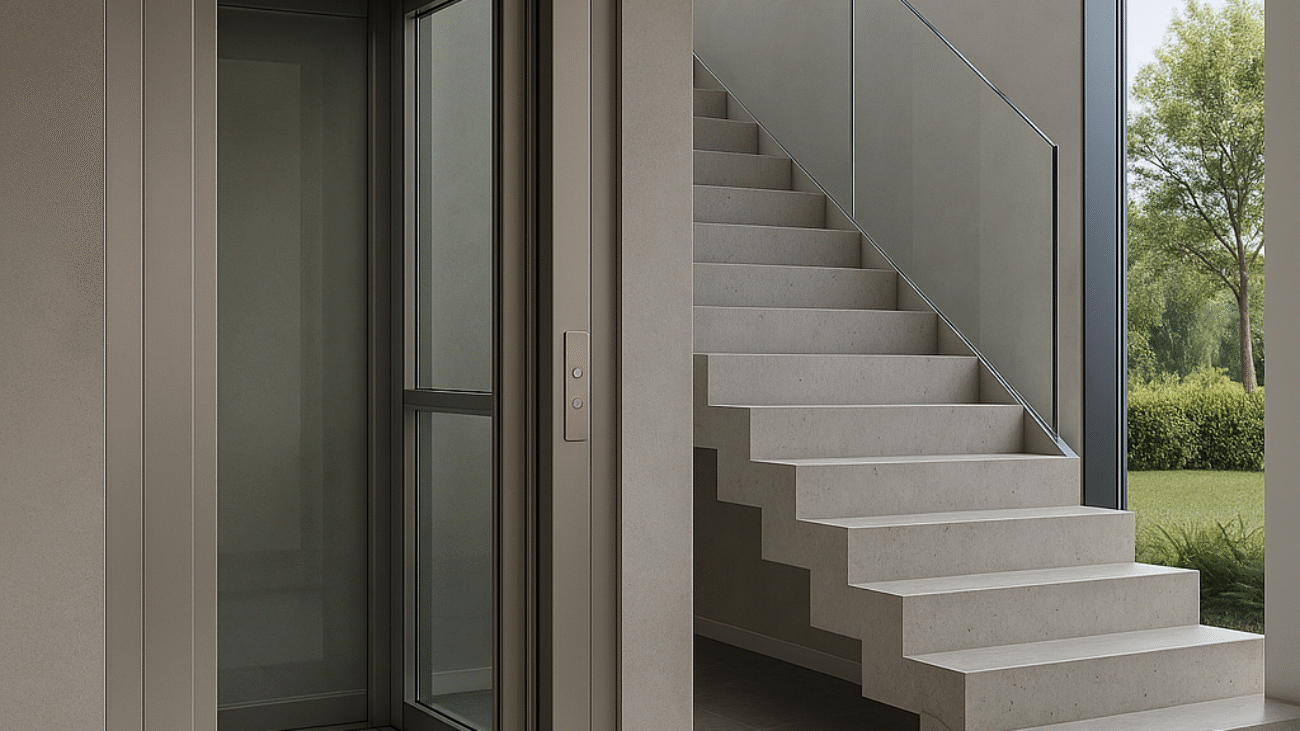
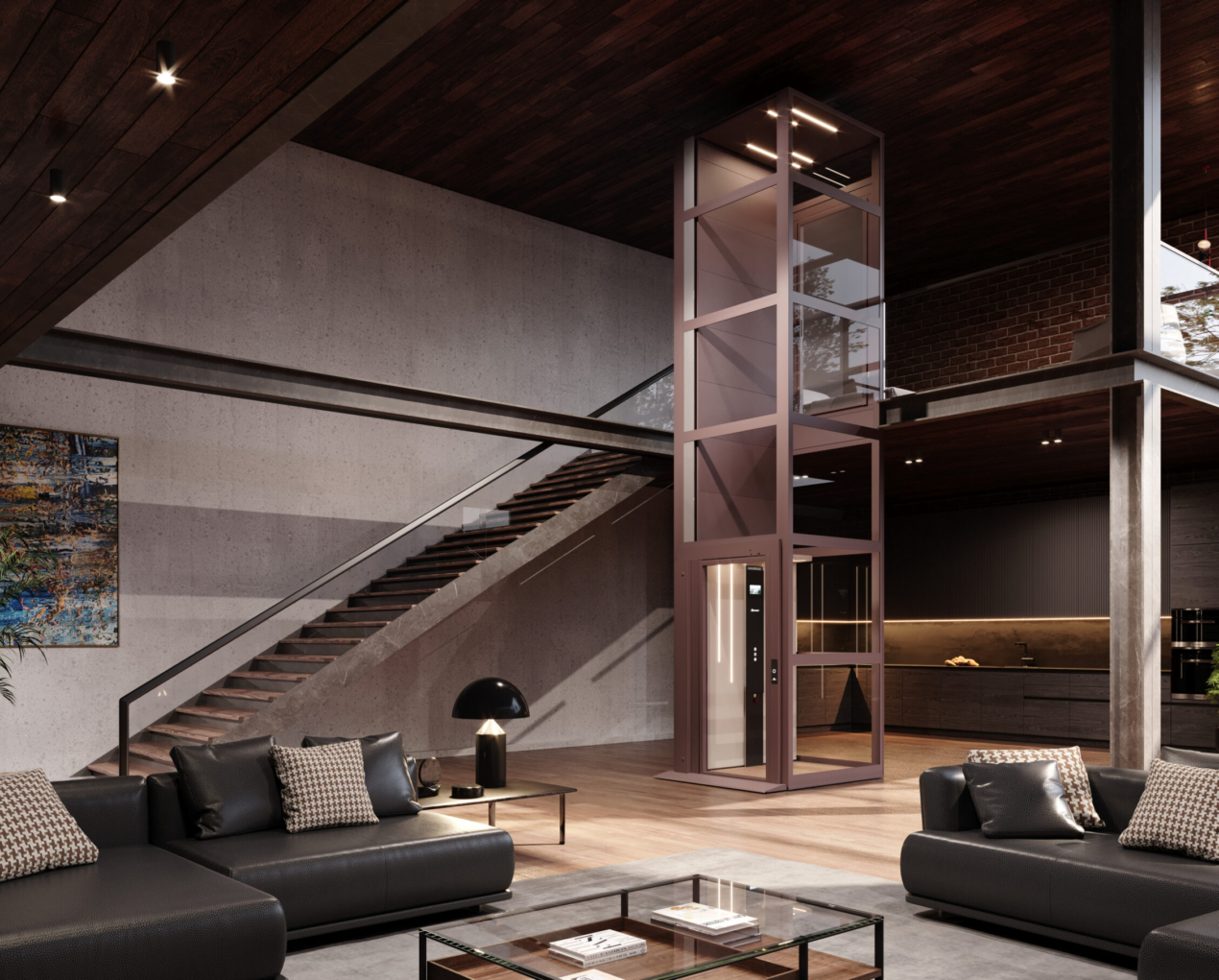
Installing a Home Lift in an Existing House often feels complex, but modern lift systems make it much easier than homeowners expect. Compact hydraulic and screw-drive models work without a pit or machine room, so you avoid major structural changes. Most lifts fit into stair voids, corners, or balcony spaces. With proper planning, you can install the lift with minimal civil work and keep your home’s current layout almost untouched.
Recent blog

Cost Considerations

Retrofitting a lift in an existing home costs slightly more due to customization and structural adaptation.
Expect a starting budget of ₹8–₹12 lakhs for basic models, and ₹18–₹25 lakhs for luxury elevators.

Final Thoughts

Adding a home elevator to your existing home isn’t
just about comfort—it’s about long-term accessibility and resale value. With
the right planning and expert installation, your home can reach new heights—literally.

FAQ

Can a lift be installed inside a duplex flat?

Yes, compact lifts can be easily installed in duplex apartments with enough headroom and floor access.

No, with professional installation and minimal civil work, your interiors remain intact.

10–30 days depending on the lift model and scope of civil work.

Want a custom quote for your home?

Contact Kreativ Lift India to explore space-saving and luxury elevator options customized for existing homes.

Icon Lifts

How Much Does a Home Elevator Cost in India?

Looking to bring luxury and convenience to your multi-storey home? Installing a home elevator is not only about accessibility. It also upgrades your lifestyle in a meaningful way. Before moving forward, most homeowners want to know how much does a home elevator cost and what is the average cost of a home elevator in India in 2025. This blog explains everything in a straightforward, easy-to-understand way so you can make an informed decision.

What is a Home Elevator?

A home elevator (also known as a residential elevator or home lift) is a compact lift designed to transport people between floors inside private residences. Modern models are stylish, energy-efficient, and built to match premium interiors.

Average Home Elevator Cost in India

In 2025, the average cost of installing a home elevator in India starts at ₹6 lakhs and can go up to ₹25 lakhs or more for luxury custom models.

Lift Type

Starting Price (Approx.)

Basic Hydraulic Lift

₹6–₹8 lakhs

Premium Vacuum Elevator

₹12–₹18 lakhs

Luxury Custom Elevators

₹20–₹25 lakhs+

Factors Affecting Price

  • Number of Floors: More floors = higher cost.
  • Design & Finish: Custom glass, steel, marble = premium pricing.
  • Drive System: Hydraulic, traction, pneumatic – all differ in cost.
  • Load Capacity: Standard (250–400 kg) vs heavy-duty lifts.
  • Installation Conditions: Retrofit or new construction?

Recent blog

Hidden Home Elevator Costs You Should Know

  • Annual Maintenance Contract (AMC): ₹15,000–₹40,000
  • Civil Work & Shaft Construction: ₹1–2 lakhs
  • Power Backup: Optional but recommended
  • GST: 18% applicable on most elevator purchases

Final Words: How to Choose the Right Elevator

Price should not be the only factor. Consider:

  • Safety features
  • Aesthetic integration with your home
  • After-sales service & AMC plans
  • Space-saving models for small homes

If you’re investing in comfort, convenience, and future-proofing your home, a residential elevator is a smart upgrade.

FAQ

Is there EMI or financing available for home lifts?

Yes, many companies offer financing plans or partner with banks for EMI options.

Usually 10–25 working days, depending on lift type and civil readiness.

Some models (like vacuum or hydraulic lifts) can be installed with minimal civil work and no pit.

Want a custom quote for your home?

Contact Kreativ Lift India for premium, space-saving, and luxury elevator solutions that suit your lifestyle and budget